



In the history of Indian aviation there are a few moments that changed the direction of the industry, one of them came in 1967 when Indian Airlines received the HS-748. It was the first passenger aircraft to be built in India. The event did not make headlines around the world but it marked the beginning of something much bigger for the country. For the first time India was not only buying an aircraft from another nation. It was taking part in building one.
Commercial flying was still growing during the 1960s. Large cities had regular air services but many smaller towns remained outside the aviation map. Airports in those places had short runways and basic facilities. Bigger aircraft were expensive to operate and were not suitable for every route. Airlines needed an aircraft that could carry passengers safely without demanding modern airport infrastructure.
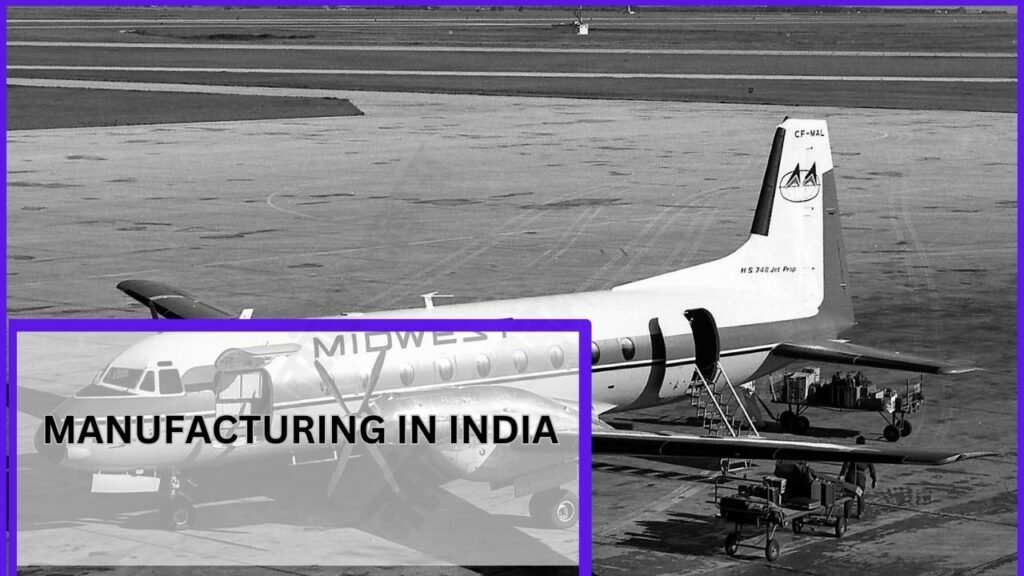
The HS-748 arrived at the right time. It had been developed in Britain by Hawker Siddeley Aviation as a twin-engine turboprop for regional routes. The aircraft was designed for short and medium-distance flights. It could carry around 40 to 58 passengers depending on the seating layout. More importantly it could work in conditions where many aircraft of that period struggled.
Local Manufacturing: Taking Up the HAL Challenge
For India this was not just another aircraft purchase. The government wanted to develop local manufacturing instead of depending only on imports. That decision led to one of the country’s earliest efforts to build passenger aircraft at home. Hindustan Aeronautics Limited, better known as HAL, was given the responsibility of manufacturing the HS-748 under licence. It was a difficult assignment because aircraft production demanded a level of precision that very few industries in India had experienced before.
At that time HAL was already known for defence-related work but passenger aircraft manufacturing presented a different challenge. Civil aviation required aircraft that could operate daily with high reliability while keeping maintenance costs under control. The company had to create production systems that matched international standards and could support airlines over the long term.
Factories at Kanpur and Koraput became central to the programme. Machinery was installed workers received specialised training and engineers worked closely with the original manufacturer. The early years were spent understanding production methods and maintaining quality at every stage.
Powering Regional Connectivity & Flying Operations
Indian Airlines watched the programme closely because it would become the first operator of the aircraft built in India. The airline needed an aircraft that could expand its domestic network without pushing operating costs too high. Several routes connected medium-sized towns where passenger demand was steady but not enough for larger aircraft. The HS-748 looked like a practical answer.
The aircraft offered flexibility that airlines valued. It could use airports where runway lengths were limited. That made it possible to start or increase services to places that had remained disconnected from regular air travel. For many passengers it became the first aircraft they ever travelled on.
Unlike older piston-engine aircraft the HS-748 used turboprop engines. They provided better performance while consuming less fuel than many aircraft already in service. Airlines also found maintenance more manageable because the engines were built for regular commercial operations. These advantages made the aircraft suitable for regional flying where cost control was always important.
Built for the Indian Elements
Its design suited Indian weather and geography. Temperatures in many parts of the country could become extremely high during summer while airports in hill regions presented different operating conditions. The HS-748 was capable of working in both environments. It also handled short runways well which increased the number of airports that could be included in airline schedules.
The programme also created employment beyond HAL itself. Suppliers engineering companies maintenance organisations and technical training centres all became part of the wider ecosystem. Young engineers entering the aerospace sector gained practical knowledge by working on a real commercial aircraft programme instead of only studying aircraft design in classrooms.
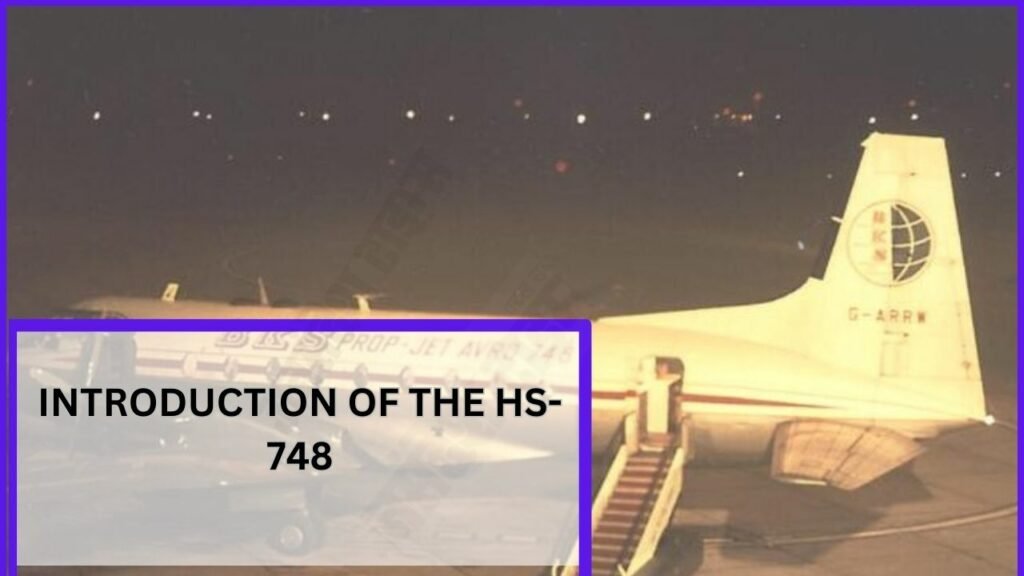
The arrival of the HS-748 came at a time when India was trying to build confidence in its industrial capabilities. The aircraft became one of the earliest examples that complex engineering projects could be carried out inside the country with consistent effort and planning. It was not the largest aircraft in the skies and it was never intended to compete with long-haul jetliners. Its job was different. It was built to connect places that larger aircraft often ignored.
Many passengers remember the HS-748 as a familiar sight at regional airports. It became part of everyday domestic aviation for years. Pilots appreciated its dependable handling while maintenance crews became familiar with its systems through years of regular service. For Indian Airlines it gradually turned into one of the most dependable aircraft in its regional fleet.
Long before discussions about self-reliance became common in India’s manufacturing sector the HS-748 programme had already shown what local production could achieve when technology transfer and skilled manpower came together. It did not solve every challenge facing Indian aviation but it opened a path that later projects would continue to follow.
Building the Aircraft in India and Taking It Across the Country
Aircraft manufacturing was unlike any other industry India had handled on this scale. Every component had to pass detailed inspections before it became part of the aircraft. Small mistakes that might be ignored in other industries could not be accepted here.
HAL worked under a licence agreement with Hawker Siddeley. British specialists shared technical knowledge while Indian engineers gradually took over more responsibilities. As experience increased, more work shifted to Indian teams. The aim was not only to build the aircraft but also to develop the confidence to manage complex aerospace projects in the future.
Factories in Kanpur and Koraput became busy centres of activity. Skilled workers were trained to handle specialised equipment. Engineers monitored every stage of production and quality inspectors checked completed sections before they moved to the next phase. The process demanded patience because aircraft manufacturing allowed very little room for shortcuts.
The HS-748 programme also gave young engineers a chance to work on a live commercial aircraft instead of only reading technical manuals. Many professionals who later worked on other aerospace projects gained their early experience during this period. The lessons learned on the HS-748 remained valuable long after the aircraft itself had become familiar across the country.
Indian Airlines was waiting to expand its domestic operations and the HS-748 fitted well into those plans. The airline already served major cities but there was growing demand from smaller towns that had limited transport options. Rail travel often took many hours while road connections were slow in several regions. Air travel could save time but only if airlines had an aircraft suited to those routes.
HS-748: Connecting the Unconnected
The HS-748 gave Indian Airlines that flexibility. It could operate from airports that larger aircraft could not use comfortably. This allowed the airline to add destinations that had previously seen only occasional air services or none at all. For many travellers the arrival of the aircraft meant that reaching a state capital or another major city no longer required an overnight train journey.
Pilots appreciated the aircraft for its steady handling. It responded well during take-off and landing, especially at airports where runway lengths were limited. Flying conditions in India were rarely the same throughout the year. Summer heat, monsoon weather and winter fog all presented different challenges. The HS-748 earned a reputation for handling these conditions with consistency.
Maintenance crews also found the aircraft practical. Routine servicing could be completed without excessive difficulty and spare systems were designed with reliability in mind. Every hour an aircraft spent on the ground affected airline schedules, so keeping maintenance efficient was important for daily operations.
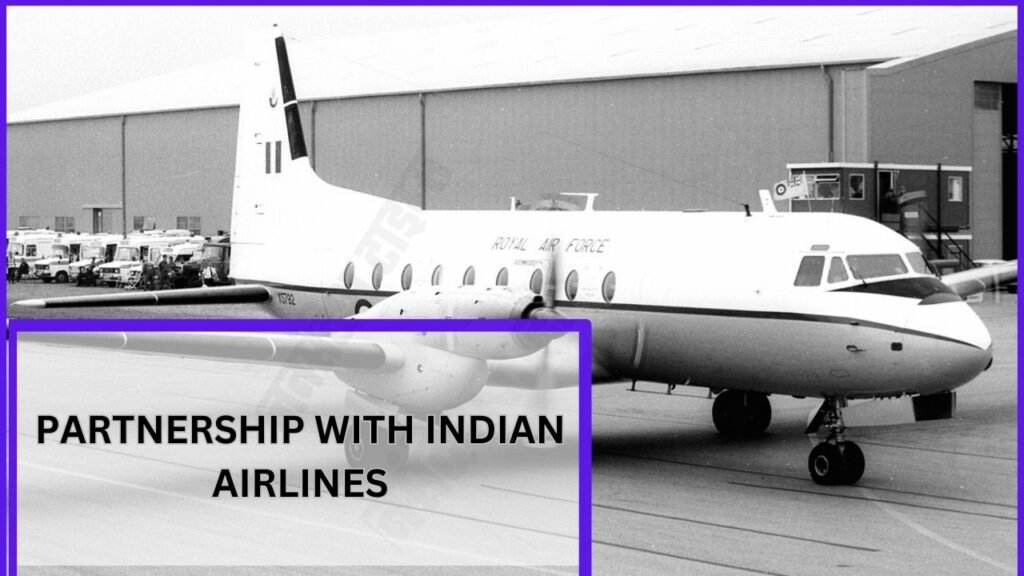
Compared with many piston-engine aircraft that had served regional routes earlier, the HS-748 represented a noticeable improvement. Its turboprop engines offered better fuel efficiency while also providing stronger performance. Airlines could carry passengers more economically and maintain regular schedules without sharply increasing operating costs.
The programme also showed that manufacturing an aircraft involved much more than producing the airframe. It required a complete support system. Engineers had to prepare maintenance manuals, train technicians and ensure a steady supply of replacement parts. Without that network an airline could not keep its aircraft flying efficiently for years.
HAL gradually built that support structure as production continued. Maintenance teams received technical training while service facilities expanded alongside the growing fleet. These developments helped create knowledge that later benefited other aircraft programmes in India.
The HS-748 was never promoted as a revolutionary aircraft. It earned its place through dependable service rather than dramatic achievements. Day after day it carried passengers between cities that larger aircraft rarely visited. Its contribution was measured in regular flights completed safely and reliably rather than records or headlines.
As the years passed the aircraft became closely associated with regional aviation in India. It served quietly across different parts of the country and became one of the most recognisable aircraft in the Indian Airlines fleet. Its success also encouraged confidence that India could move beyond licensed production and gradually build stronger capabilities in aircraft design and manufacturing.
A Lasting Legacy in Indian Aviation
The success of the programmed was equally important for Hindustan Aeronautics Limited. Manufacturing the HS-748 gave the company practical experience in production, quality control and airline support. These lessons remained valuable for later aerospace projects.
The HS-748 also encouraged the growth of industries that supplied aviation components. Companies making electrical equipment, mechanical parts and specialized tools found opportunities in the programmed. Meeting aviation standards was difficult but it helped several suppliers improve their manufacturing quality. Over time these companies became part of India’s growing aerospace ecosystem.
Limitations, Legacy and the Path Ahead
Although the aircraft earned praise for its reliability, it was not without limitations. Passenger capacity remained one of its biggest restrictions. Depending on the configuration, it could carry around 40 to 58 passengers. As traffic increased on several routes, airlines started looking for aircraft that could accommodate more people without increasing the number of flights.
The design also reflected the technology of its time. Aviation was changing rapidly during the 1970s and 1980s. New aircraft offered quieter cabins, improved fuel efficiency and more advanced avionics. Compared with these newer models, the HS-748 slowly began to show its age.
Maintenance requirements also increased as the fleet grew older. Every aircraft becomes more demanding with age and the HS-748 was no exception. Finding replacement parts became more difficult after production ended. Operators had to plan maintenance carefully to keep aircraft available for service.
Even with these challenges, airlines continued using the aircraft because it remained dependable. It had already built a reputation for handling difficult operating conditions. Pilots trusted its performance and maintenance crews knew the aircraft well after years of working on it. That familiarity often helped extend its service life.
The influence of the HS-748 could also be seen in later Indian aircraft programmes. The confidence gained from manufacturing the aircraft encouraged further work in the aerospace sector. HAL went on to produce the Dornier Do 228 in India, another aircraft that found wide use in civil and defense operations. The experience also supported future projects aimed at developing aircraft within the country.
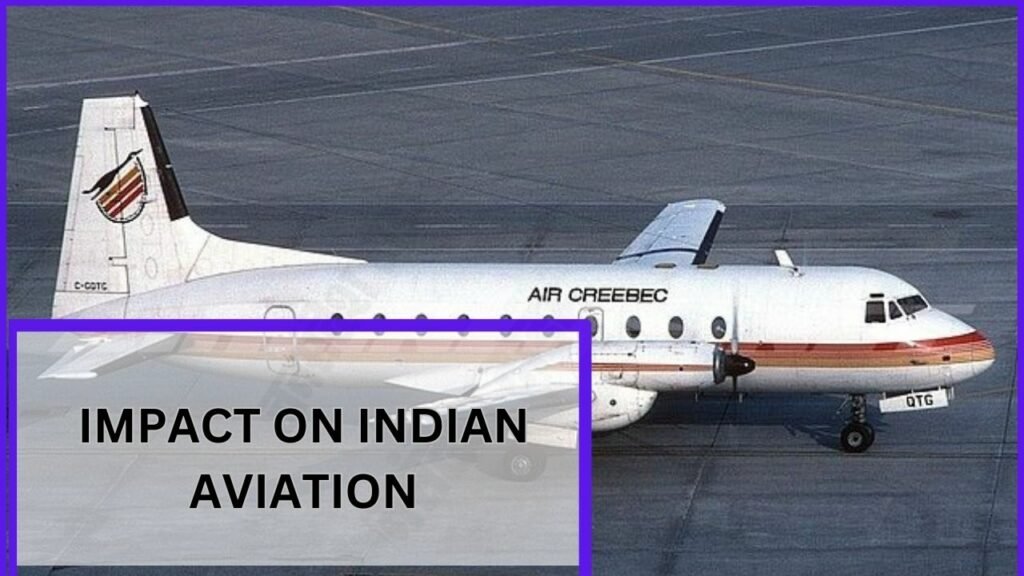
The journey towards indigenous aviation did not stop there. Programmers such as the HAL-NAL Saras reflected the same ambition of creating aircraft suited to Indian requirements. While these projects belonged to different generations, the experience gained during the HS-748 programme remained an important foundation.
For aviation historians, the HS-748 represents more than a successful aircraft. It marks the period when India began developing confidence in passenger aircraft manufacturing. Building an aircraft under license allowed engineers to understand international production practices while preparing the industry for more advanced work in later years.
Its contribution cannot be measured only by the number of aircraft produced or the years it remained in service. The bigger achievement was the knowledge it left behind. It helped create skilled engineers, strengthened manufacturing capabilities and encouraged India to think beyond importing aircraft.
Today India’s aviation industry is very different from what it was in the 1960s. Airports have expanded, airlines operate modern fleets and passenger traffic has increased many times over. Yet the story of passenger aircraft manufacturing in India still leads back to the HS-748. It was the aircraft that introduced the country to the challenges of building commercial aircraft and showed that the effort was possible with patience, planning and technical skill.
Dharmendra Pradhan Returns to Parliament After Exit
The HS-748 may no longer be a common sight in commercial aviation but its place in Indian aerospace history remains secure. Every major aviation industry begins with one important step. For India, that step came in 1967 when the first passenger aircraft built in the country entered service and opened the door for future generations of aircraft manufacturing.

